Safe use of Pyrantel, Mebendazole and Albendazole — correct dosage by age, when to confirm before treating, why the whole family needs to be treated, and when routine deworming is unnecessary.
👨⚕️ Dr. Seneth Gajasingha — MBBS (Col) · MD (Col)
🩺 Medically Reviewed📅 Updated March 27, 2026🕐 7 min read
💡
Quick Answer
Confirm the infection when possible before treating.
Use the correct dose for the patient's age and weight. Repeat the dose after 2 weeks
to kill worms that hatch from surviving eggs.
For pinworm infections, treat all close household members
at the same time.
📋 Overview
Are Worm Infections Still Common in Sri Lanka?
Sri Lanka previously carried out routine deworming programmes, particularly for school children, when intestinal worm infections were widespread. Today, due to significant improvements in sanitation, toilet facilities and water supply, the situation has changed considerably.
✅
Routine deworming is no longer recommended for most households
It is only advised in selected high-risk communities or when there is confirmed or strongly suspected infection. If your family has good sanitary conditions, avoid unnecessary deworming unless there is clear evidence.
🔬 What Are Intestinal Worms?
What Are Intestinal Worms?
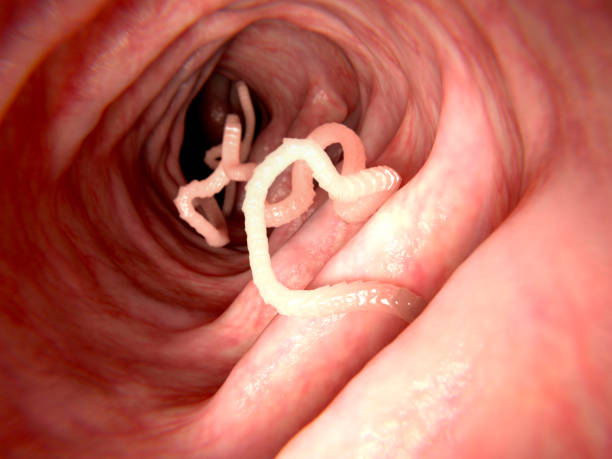
There are many types of intestinal worms, but the following are most commonly discussed because they are among the most frequently seen in humans in Sri Lanka and similar regions:
🪱Enterobius vermicularis (Pinworm) — most common in children; causes night-time anal itching
🪱Ascaris lumbricoides (Roundworm) — a large intestinal worm; can cause abdominal discomfort
🪱Ancylostoma duodenale / Necator americanus (Hookworms) — can cause anaemia and fatigue
These are examples, not an exhaustive list. They are highlighted because they are historically common and clinically relevant in Sri Lanka.
⚠️ Symptoms
Symptoms — What They Do and Don't Tell You
Many people assume they have worms based on symptoms alone. This is often misleading. Common symptoms associated with worm infections include:
🤧Abdominal discomfort or pain
🍽️Reduced appetite
⚖️Weight loss
😤Irritability (especially in children)
🌙Night-time anal itching (most suggestive of pinworms)
❗
These symptoms do not confirm a worm infection
Except for seeing worms in the stool, none of these symptoms are specific to worms. The same symptoms can be caused by indigestion, viral infections, dietary issues or stress. In fact, most people with these symptoms do not have worms.
🔬 Confirming Infection
How to Confirm a Worm Infection
When confirmation is needed before starting treatment, the following tests are available:
🧪Stool examination (SFR — Stool Full Report) — detects worm eggs or worms under microscopy. Simple to request from any local laboratory.
🩹Tape test — used for pinworms. A piece of clear tape is pressed around the anal area in the morning before washing; the tape is then examined under a microscope for pinworm eggs.
ℹ️
Both tests are simple, inexpensive and available in most Sri Lankan laboratories. When in doubt, test first — then treat with the correct medicine for the worm identified.
💊 Treatment
Medicines Used for Treatment
1. Pyrantel Pamoate (Pyrantin)
Best for: Pinworms and roundworms.
Dose
Maximum
Minimum Age
Repeat
10 mg/kg — single dose
1 gram (1000 mg)
Over 6 months (with caution in young infants — seek medical advice)
Repeat after 2 weeks
📝
Dosage example
A 20 kg child would receive 200 mg. An adult typically receives a single standard dose, not exceeding 1 gram.
2. Mebendazole
Best for: Multiple types of intestinal worms.
Worm Type
Dose
Duration
Repeat
Pinworms
100 mg single dose
Single dose
Repeat after 2 weeks
Other worms (roundworm, hookworm)
100 mg twice daily
3 days
Repeat after 2 weeks if needed
🚫
Not recommended under 1 year of age. Fixed dosing is used after 1 year — no weight-based calculation required.
3. Albendazole
Broad-spectrum anthelmintic — effective against a wide range of worms and commonly used in Sri Lanka.
Age Group
Dose
Repeat
2 years and above
400 mg single dose
Repeat after 2 weeks if needed
1–2 years
200 mg single dose
Repeat after 2 weeks if needed
Under 1 year
Avoid unless specifically advised by a doctor
🍽️
Take albendazole after food — this improves absorption and reduces stomach upset.
Why Repeat After 2 Weeks?
💊The first dose kills adult worms but does not destroy their eggs
🥚Surviving eggs can hatch within 2 weeks, producing new worms
✅The second dose at 2 weeks eliminates the newly hatched worms before they mature
👨👩👧👦 Family Treatment
Why Treat the Whole Family?
This is particularly important for pinworm infections. Pinworms spread very easily through close household contact:
🖐️Hands and fingernails (scratching at night)
👕Clothing and bed linen
🏠Household surfaces and shared objects
⚠️
If only one person is treated
Others in the household may still carry the infection without symptoms. They will re-infect the treated person, and the cycle continues. All close household members should be treated at the same time.
🚫 When to Avoid
When to Avoid Unnecessary Treatment
Routine deworming is not recommended in the following situations:
🚫No confirmed infection and no strong clinical suspicion
🚿Good household hygiene and sanitation
🏙️Standard modern Sri Lankan household without known exposure risk
ℹ️
Most modern Sri Lankan households fall into this category. Unnecessary deworming is not harmless — all medicines carry potential side effects and contribute to unnecessary drug use.
📋 Quick Guide
Quick Decision Guide
1
Are symptoms present? → Abdominal discomfort, reduced appetite, anal itching, or worms seen in stool.
↓
2
Confirm when possible. Request an SFR (Stool Full Report) from a lab, or a tape test for suspected pinworms. Good sanitation + no confirmed infection = no treatment needed.
↓
3
Choose the right medicine. Pyrantel for pinworms/roundworms, Mebendazole for mixed infections, Albendazole as a broad-spectrum option. Use the correct dose for the patient's age.
↓
4
Repeat the dose after 2 weeks to eliminate worms hatching from surviving eggs.
↓
5
For pinworm infections — treat all close household members at the same time, even if they have no symptoms.
↓
6
See a doctor if: symptoms persist despite treatment, the patient is under 1 year old, pregnant, or if you are unsure which worm is involved.
❓ FAQs
Frequently Asked Questions
No. Most abdominal symptoms — pain, bloating, reduced appetite — are caused by other conditions such as indigestion, viral infections or stress. The only reliable sign of worms is actually seeing worms in your stool.
Seeing worms in the stool is the most reliable sign. A Stool Full Report (SFR) from a laboratory can detect eggs under microscopy. For pinworms, a tape test around the anal area detects eggs.
Worm medicines kill adult worms but not their eggs. Eggs that survive can hatch into new worms within 2 weeks. A second dose at 2 weeks eliminates these newly hatched worms before they mature and lay more eggs.
Yes — particularly for pinworm infections. Pinworms spread easily through hands, clothing and household surfaces. If only one person is treated, others will re-infect them. All close household members should be treated at the same time.
No — not for most households. Due to improved sanitation and water supply, routine deworming is no longer recommended for most Sri Lankan households. It is only advised in selected high-risk communities or when there is confirmed or strongly suspected infection.
No. Albendazole should be avoided in children under 1 year unless specifically advised by a doctor. Mebendazole is also not recommended under 1 year. For very young children with suspected infection, seek medical advice rather than treating at home.
All health articles on this site are written and medically reviewed by Dr. Seneth Gajasingha. Our aim is to provide accurate, clear and trustworthy health information for Sri Lankan patients and families.
Sineth Hospitals provides general medical care, consultations, home visits and telemedicine services in the Boralasgamuwa area. Free treatment registration is available for eligible patients.
This article is for educational purposes only and does not constitute medical advice, diagnosis, or treatment. Always consult a qualified doctor or healthcare provider for personal medical guidance. Do not use this information as a substitute for professional medical care.