?? Medically Reviewed?? Updated March 2026?? 5 min read
?? Overview
What is the Common Cold?
The common cold is a mild infection affecting the nose and throat. It is one of the most common illnesses seen in adults worldwide.
On average, adults experience about 2�3 common colds each year. Although it can be uncomfortable, the illness is usually mild and does not lead to serious complications in healthy individuals.
In most cases, the common cold is self-limiting � meaning the body's immune system fights the infection and recovery happens naturally within a few days, without the need for prescription medicines.
??
Key Facts to Remember
??The common cold is caused by viruses. Because it is a viral illness, antibiotics cannot cure it � your immune system does the work. However, in a small number of cases, a secondary bacterial infection (such as sinusitis or an ear infection) can develop on top of a cold. This is when antibiotics may genuinely be needed � and only a doctor can make that call.
??Not every illness that feels like a cold is one. Influenza, dengue fever, COVID-19, and certain allergic conditions can all mimic the common cold in their early stages. If your symptoms are unusually severe, come on very suddenly, or do not follow the expected course, it is worth seeking a medical opinion to rule out something else.
?? Symptoms
Common Cold Symptoms
Symptoms usually develop gradually over 1�2 days after exposure to the virus. They may include:
?? Runny nose
?? Blocked nose
?? Sneezing
?? Sore throat
?? Cough
?? Mild headache
?? Body aches
?? Feeling tired
??? Sometimes a mild fever
?? Loss of taste or smell (mild)
?
Recovery TimelineMost symptoms improve within 5�7 days. Cough or nasal congestion may linger a little longer, but this is normal and does not usually mean something is seriously wrong.
?? Causes
Causes of the Common Cold
Most common colds are caused by viruses. Many different types of viruses can produce very similar symptoms � which is why there is no single vaccine for the common cold.
The viruses that most commonly cause colds include rhinoviruses, coronaviruses (not COVID-19 specifically), and other respiratory viruses.
??
Important: Because the illness is viral, medicines cannot cure the infection itself. Your body fights the virus and clears it naturally. Treatment focuses only on reducing symptoms and keeping you comfortable.
The virus spreads through droplets in the air (from coughing or sneezing) and through contact with contaminated surfaces. Washing hands regularly is one of the most effective ways to reduce your risk of catching a cold.
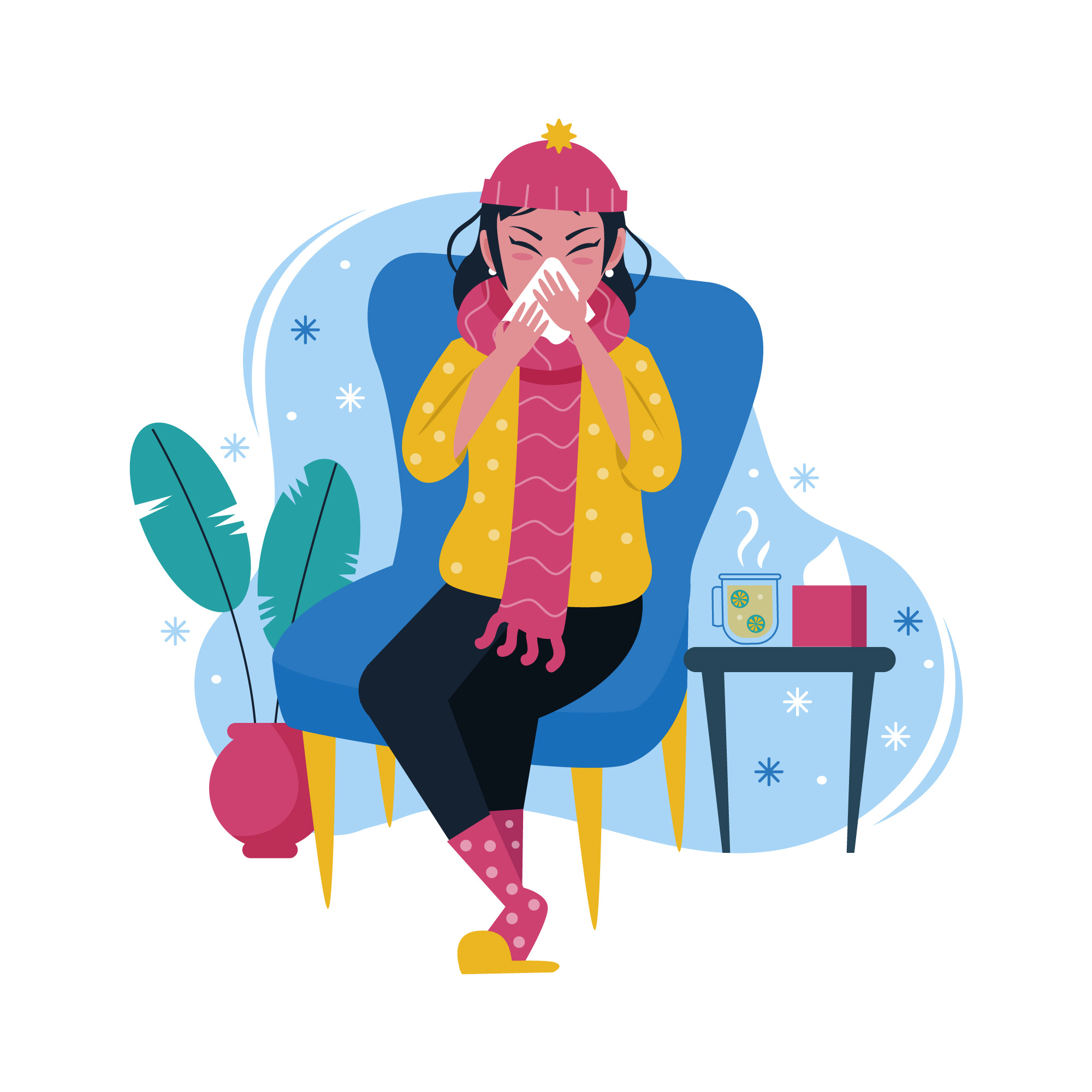
Your appetite may disappear when you are ill � and that is understandable. But no matter how you feel, keeping yourself adequately hydrated is not optional. Water, warm soups, herbal teas and fresh juices all count. Sip regularly, even in small amounts. | Designed by Freepik
?? Home Management
How to Manage a Common Cold at Home
Most adults can safely manage a common cold at home. Simple supportive care is usually all that is needed.
?? Get adequate rest � your immune system works best when you rest.
?? Drink plenty of fluids � water, warm soups and herbal teas all help.
??? Continue eating regular meals even if appetite is reduced.
?? Use simple medicines for symptom relief when necessary.
?? Use saline nasal rinses or sprays to help relieve congestion.
?? Wash hands frequently to avoid spreading the virus to others.
When You Generally Do Not Need a Doctor Visit
You often do not need specific medical treatment if all of the following apply:
? The illness is still within the first 3�5 days
? You do not have a high fever
? You do not have difficulty breathing
? You are able to eat and drink normally
? You do not have skin rashes
? You have no history of wheezing or respiratory disease
? You are able to continue daily activities reasonably well
?? Medicines
Medicines That May Help Reduce Symptoms
No medicine can cure the common cold. However, certain medicines can ease symptoms while your body fights the infection. Below is a summary based on Dr. Gajasinghe's guidance.
Symptom
Medicine
Typical Dose
Note
Runny nose
Cetirizine 10 mg
Once daily (morning or night)
Less drowsy option; suitable for daytime use
Nasal congestion / blocked nose
Saline nasal drops or spray
As needed � use freely throughout the day
Safe, drug-free; helps clear and moisturise the nasal passage
Cough
Deriphyllin 150 mg
Morning and night
Time-tested bronchodilator; helps ease cough and mild chest tightness
Mild fever / aches
Paracetamol 1000 mg (2 tablets of 500 mg)
As needed, with a minimum gap of 6 hours between doses
Do not exceed 4 doses in 24 hours; avoid on an empty stomach if possible
A Note on Steroids
Steroids are powerful medicines that must be used carefully. Medical literature generally does not recommend routine use of steroids for simple viral colds. However, if steroids are considered for symptom relief, it is safer to use lower-strength medicines in low doses only:
??
If steroids are used, options include Prednisolone 10 mg morning and evening, or Dexamethasone 1 mg morning and evening. Stronger steroids or higher doses should only be used with clear medical justification. Do not take steroids without medical advice.
Vitamin C
Vitamin C is commonly taken during colds. Scientific evidence suggests the benefit may be limited and in many cases the effect may largely be a placebo effect. However, it is generally safe and can be taken as one tablet morning and night, or three times daily. It will not harm you.
??
How Long Should You Take These Medicines? All of the medicines listed above have a symptom-controlling effect only � they do not cure the underlying infection. Take them for as long as the relevant symptom is troubling you, and stop when that symptom resolves. There is no need to complete a fixed course for any of these.
??
Important Reminder: You should not take any medicine if you have had a prior allergic reaction to it, or if you have other medical conditions, without proper medical advice. Even simple medicines can cause problems in some individuals.
?? Antibiotics
Antibiotics and the Common Cold
Antibiotics do not work against viruses, and the common cold is caused by a virus. Taking antibiotics for a cold will not help you get better faster.
Occasionally, antibiotics may be necessary if a bacterial complication develops � such as a sinus infection or a middle ear infection � but this is not common in a straightforward cold.
??
A note on antibiotic stewardship: If you are prescribed antibiotics, it is wise to ask your doctor why they are necessary. Without a clear reason, a simple antibiotic such as Amoxicillin 500 mg three times a day is usually sufficient for common bacterial complications. Unnecessary use of strong antibiotics wastes money and, more importantly, reduces the effectiveness of antibiotics when you are seriously ill in the future � a global health concern known as antibiotic resistance.
??
Duration of antibiotic use: Unlike the symptom-relief medicines above, antibiotics prescribed for a confirmed bacterial complication should be taken for the full course advised by your doctor � even if you begin to feel better sooner. Stopping early can allow bacteria to rebound.
?? Seek Medical Care
When to See a Doctor
While most colds resolve on their own, you should seek medical attention promptly if you develop any of the following warning signs:
???High or persistent fever � especially if it does not come down with paracetamol
??Difficulty breathing or chest tightness
??Severe weakness � difficulty getting out of bed or performing daily tasks
???Inability to eat or drink � especially for more than 24 hours
??Skin rashes appearing alongside cold symptoms
??Symptoms lasting more than 10 days without improvement
??Severe facial pain � which may suggest a sinus infection
??Ear pain � which may suggest a middle ear infection (otitis media)
??Worsening cough with coloured sputum � may suggest a chest infection
??
Seek emergency care immediately if you experience severe difficulty breathing, chest pain, confusion, or are unable to stay awake. Do not wait.
? FAQ
Frequently Asked Questions
Most colds improve within 5�7 days. Cough or nasal congestion can sometimes last a few days longer, which is normal. If symptoms persist beyond 10 days without improvement, it is worth seeing a doctor.
No. The common cold is caused by a virus, and antibiotics only work against bacteria � not viruses. Taking antibiotics will not help you recover faster and may cause unnecessary side effects. They are only appropriate if a secondary bacterial complication develops.
If you have no fever and your symptoms are mild, most adults can continue daily activities. However, it is considerate to others to practice good hygiene � wash hands frequently, cover your mouth when coughing or sneezing, and avoid close contact with elderly people, young children, or those who are immunocompromised, as they are more vulnerable.
Both are viral respiratory illnesses, but influenza (flu) tends to come on suddenly and causes more severe symptoms � including high fever, intense body aches, and severe fatigue. The common cold is generally milder and develops more gradually, with a runny or blocked nose being the most prominent symptom. If you are unsure which you have, especially during flu season, consult a doctor.
Yes. There are many different viruses that can cause cold symptoms. Having one cold gives immunity only to that specific virus. You can catch a different cold-causing virus shortly afterwards, which is why some people seem to have repeated colds through the year.
No � you catch a cold from a virus, not from being cold or wet. However, cold weather tends to bring people indoors and into closer contact, which makes the spread of viruses easier. Low humidity in cold weather may also affect the body's natural defences in the nasal passages.
Light activity is generally fine if your symptoms are above the neck (runny nose, mild sore throat). However, if you have a fever, body aches, or feel very tired, it is best to rest and avoid exercise until you feel better. Exercising when unwell can prolong recovery.
The most effective measures include:
Washing hands frequently with soap and water
Avoiding close contact with people who have colds
Avoiding touching your face � especially eyes, nose and mouth
Maintaining good general health � adequate sleep, balanced diet and exercise
Using alcohol-based hand sanitiser when soap is not available
Scientific evidence on Vitamin C's benefit for colds is limited. While some studies suggest it may slightly reduce the duration of a cold if taken regularly, the effect is modest. Vitamin C is generally safe and you can take it if you wish, but it is not a cure.
??
Final Message from Dr. Gajasinghe
The common cold is a very common and usually mild illness. Most adults experience two to three colds every year. In most cases, the body's immune system will recover naturally within a few days. Simple home care and sensible use of medicines for symptom relief are usually all that is needed. Do not demand antibiotics and do not over-medicate � trust your body.
All articles on Health Education are created with the expert input and medical oversight of Dr. Seneth Gajasinghe. As an SLMC-registered doctor, he ensures the accuracy, quality and clinical relevance of every article on this platform.
Health Education is proudly supported by Sineth Hospitals. Contact us today to find out about free treatment opportunities available for eligible patients and their families.
The information on this website is for general educational purposes only and is not a substitute for professional medical advice, diagnosis, or treatment. Always consult your doctor or a qualified healthcare provider for personalised medical advice. Never delay seeking professional medical advice because of something you have read here.