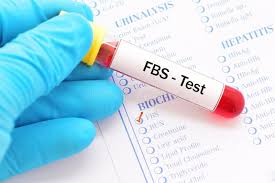

What is the FBS Test?
FBS (Fasting Blood Sugar) is a blood test that measures the level of glucose (sugar) in your blood after you have fasted for 8–10 hours. It is one of the most commonly ordered blood tests in clinical practice.
Because you have not eaten for several hours before the test, fasting glucose reflects how well your body manages blood sugar in its baseline state — without the influence of a recent meal. This makes it a reliable tool for detecting problems with blood sugar regulation.
When Should You Do an FBS Test?
1. If You Have Symptoms of Diabetes
Do not wait — get tested as soon as possible if you notice any of the following:
2. Screening — Even Without Symptoms
Diabetes and pre-diabetes often cause no symptoms in the early stages. Screening is recommended based on age and risk factors, following guidance from the American Diabetes Association (ADA) and World Health Organization (WHO).
| Who Should Be Screened | When to Start |
|---|---|
| All adults (general population) | From age 35 years |
| Overweight or obese + any other risk factor | At the time of risk factor identification |
| Family history of diabetes in a first-degree relative (parent, sibling, or child) diagnosed before age 50–60 | Significant risk — start screening earlier, from young adulthood. Repeat every 1–3 years |
| Family history of diabetes only in elderly relatives (diagnosed in old age) | Lower risk — standard screening from age 35 is usually sufficient |
| High blood pressure | At diagnosis and periodically |
| History of gestational diabetes | 6–12 weeks after delivery, then every 1–3 years |
| Sedentary lifestyle | Earlier screening, especially if overweight |
3. To Confirm a Diabetes Diagnosis
If your FBS result is ≥126 mg/dL (7.0 mmol/L), this is in the diabetic range. However, a single result is usually not enough to make a definitive diagnosis on its own. It must be confirmed by:
4. To Monitor Existing Diabetes
If you already have diabetes, FBS is used regularly to assess your fasting blood sugar control and to help adjust your treatment. However, it is important to know its limitations:
How to Prepare for the FBS Test
Correct preparation is essential for an accurate result. An improperly performed fast is one of the most common reasons for a misleading FBS reading.
Before doing the test, read our guide on how many hours to fast for FBS.
What to Do With Your Medicines During Fasting
This is one of the most important — and most commonly misunderstood — parts of preparing for an FBS test. The answer is different depending on the type of medicine.
Take them after the test, once you have eaten.
Why? Taking diabetes medication during the fast lowers your blood sugar artificially. This means:
• Your result will be falsely low — missing a true diagnosis or making your control look better than it is.
• More dangerously, it can cause hypoglycaemia (low blood sugar) while you are still fasting.
Always follow any specific instructions your doctor has given you — this general advice applies in most cases.
Blood pressure medications (e.g. amlodipine, losartan, atenolol) and cholesterol medications (e.g. statins) do not significantly affect blood glucose levels and are safe to continue.
The Sample & Understanding Your Result
The Blood Sample
A small blood sample is taken from a vein — usually in the arm. The sample is collected in a tube and sent to the laboratory. Results are usually available within a few hours to the same day.
How the Report Looks
Your report will show the result in one of two units:
Both express the same measurement — just in different units. In Sri Lanka, mg/dL is most commonly used.
Reference Values
| Category | mg/dL | mmol/L |
|---|---|---|
| Normal | <100 | <5.6 |
| Pre-diabetes | 100 – 125 | 5.6 – 6.9 |
| Diabetes | ≥126 | ≥7.0 |
If You Do NOT Have Diabetes
| Result | What it Means | Action |
|---|---|---|
| <100 mg/dL | Normal | Continue routine screening |
| 100 – 125 mg/dL | Pre-diabetes (at risk) | Lifestyle changes + regular monitoring |
| ≥126 mg/dL | Possible diabetes | Confirm with repeat test or HbA1c / OGTT |
If You Already Have Diabetes
| Result | Interpretation |
|---|---|
| 80 – 130 mg/dL (4.4 – 7.2 mmol/L) | ✅ Within target — good fasting control |
| Above target range | ⚠️ May need treatment adjustment — discuss with your doctor |
| <70 mg/dL (<3.9 mmol/L) | 🚨 Risk of hypoglycaemia — seek medical advice |
How Often Should You Repeat the Test?
| Situation | Recommended Frequency |
|---|---|
| Normal FBS, no risk factors | Every 1–3 years from age 35 |
| Normal FBS with risk factors present | Every 1–2 years or as advised |
| Pre-diabetes | Every 6–12 months |
| Diabetes — well controlled | Every 1–3 months or as advised |
| Diabetes — poor control or recent treatment change | More frequent — as directed by your doctor |
Common Mistakes to Avoid
-
Not fasting properly — Having tea, coffee, a biscuit, or smoking during the fasting period invalidates the result. Even small amounts of food or sugary drinks will raise your blood sugar. The test must be repeated.
-
Taking diabetes medication before the test — Tablets or insulin taken before the blood sample can lower the result artificially, hide a true diagnosis, and cause dangerous low blood sugar during the fast.
-
Ignoring a borderline result — A fasting blood sugar in the pre-diabetes range (100–125 mg/dL) is a serious warning. It should not be dismissed as "almost normal". Without action, many people with pre-diabetes develop diabetes within a few years.
- FBS is a key test for diagnosing and monitoring diabetes and pre-diabetes
- Fast for 8–10 hours before the test — plain water is allowed
- Do NOT take diabetes tablets or insulin before the blood sample is collected
- Blood pressure and cholesterol medicines can generally be taken as usual
- A result ≥126 mg/dL must be confirmed before a diabetes diagnosis is made
- Screening should start at age 35, or earlier if risk factors are present
- Pre-diabetes is a warning sign — lifestyle changes can prevent progression
- Always interpret your result together with your doctor